Betonit Products
-
Tile Adhesive
Polymer-modified adhesive for ceramic tiles
The everyday thin-bed adhesive — polymer-modified Portland cement and graded fine sand, for ceramic, marble, and granite on floors or walls, inside or out.
Use it for
- Ceramic, marble, and granite tiles by the thin-set method
- Concrete, well-bonded existing tile, granolithic, cement render, or plywood
- Residential through to heavy commercial work
- Interior and exterior installation
-
Premier Tile Adhesive
Polymer-fortified heavy-duty adhesive for tiles and stones
The heavy-duty adhesive — it reaches ANSI 118.4 on water alone, and handles every tile absorption rate including porcelain and dimension stone.
Use it for
- Ceramic, porcelain, marble, granite, and dimension stone
- Large-format and low-absorption tiles that standard adhesive struggles with
- Concrete, well-bonded tile, fibre cement board, or exterior grade plywood
- Horizontal and vertical, interior and exterior
-
White Tile Adhesive
White mortar for light-coloured granite, marble, and glass mosaic
A white Portland cement mortar for pale stone — grey adhesive shadows through light granite and marble, this one does not.
Use it for
- Light-coloured granite, marble, and natural stone
- Glass and translucent mosaic tiles
- Thin to medium bed, up to 19 mm
- Floors and walls, interior and exterior
-
Tile Grout
High-quality grout for filling and finishing tile joints
A polymer-modified joint filler in 23 colours — unsanded for fine joints, sanded for wider ones, both exceeding the ANSI 118.6 requirements.
Use it for
- Filling joints between ceramic, mosaic, porcelain, marble, and granite
- Fine joints from 1.5 mm through to wider sanded joints
- Floors and walls
- Interior and exterior
-
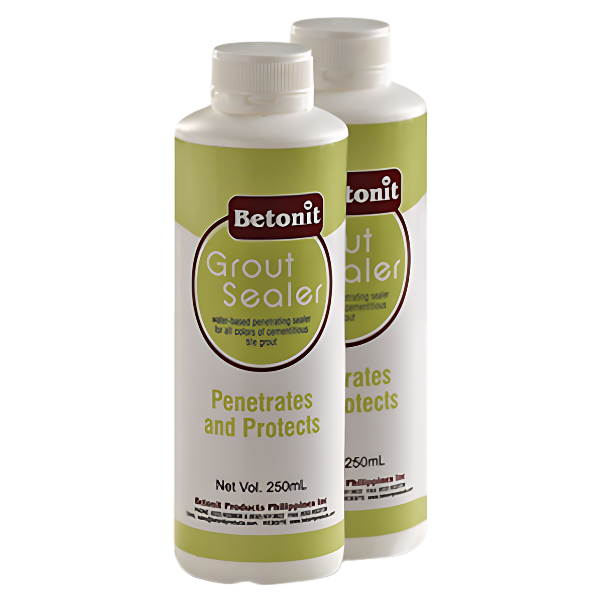
Grout Sealer
Water-based sealer for cementitious tile grout
A penetrating sealer that lines the pores of the grout rather than coating over it — so the grout keeps its natural look but stops soaking up everything that lands on it.
Use it for
- Sealing cementitious tile grout after installation
- Plaster, cement mortar, concrete, and other porous masonry
- Floors where cleaning time is a problem
- Areas prone to mildew
-
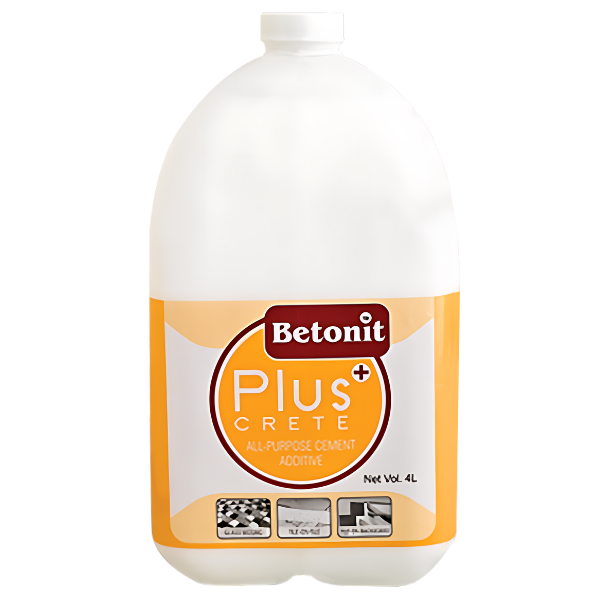
PlusCrete
Acrylic emulsion modifier for tile adhesives and grout
Use it in place of water and the adhesive steps up a grade — a synthetic acrylic polymer that lifts bond strength where the job is harder than usual.
Use it for
- Tile-on-tile and tile-on-board renovations
- Tiling in water-submerged areas such as pools and tanks
- Glass mosaics, heavy brick, granite, marble, and natural stone
- As a grout additive for constantly wet areas
-
Bison Tile Adhesive
Ready-to-use adhesive for floor and wall tiles
A straightforward dry-set thin-bed adhesive for standard tiling work — Portland cement, additives, and graded fine sand, mixed with water and laid.
Use it for
- Thin-bed installation of floor and wall tiles
- Standard ceramic tile work
- Concrete and well-prepared substrates
- Interior and exterior
-
Mosaic Mix
Adhesive and grout combo for mosaic tiles
One bag that sets the mosaic and grouts it — a single-step install for glass and translucent tile, where a separate grey adhesive would show through.
Use it for
- Glass and translucent mosaic tiles
- One-step install: bond and grout in the same product
- Feature walls and mosaic detailing
- Interior and exterior mosaic work
-
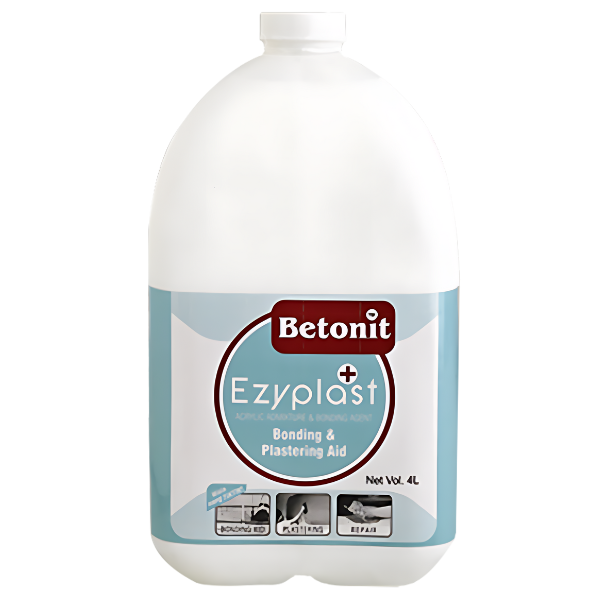
Ezyplast
Acrylic admixture and bonding agent for plaster mix and repairs
An acrylic solution that does two jobs — brush it on as a bonding slurry so new plaster grips old concrete, or mix it into the plaster itself to stop it shrinking and cracking.
Use it for
- Bonding new concrete and plaster to old
- Eliminating the need to scarify or hack the surface
- As a plaster coat admixture for stronger, less brittle render
- Interior and exterior work
-
Skim Coat
Polymer-modified cement for smooth surface preparation
The finishing plaster that takes a rough wall to a paintable surface — smooth-spreading, sands easily, and ready for paint 24 hours later.
Use it for
- Levelling irregularities on interior and exterior walls
- Filling pinholes and hairline cracks before painting
- Patching and repairing concrete walls and ceilings
- As a replacement for crack-prone pure cement plastering
-
FiberCon
Polypropylene fibre for concrete crack prevention
Monofilament polypropylene fibre dispersed through the mix — it holds concrete together through its weakest 24 to 72 hours, when plastic shrinkage cracks form.
Use it for
- Controlling plastic shrinkage in fresh concrete
- Preventing micro-cracks as concrete cures
- Binding cement and sand to stop the mix segregating
- Adding to the final layer of mortar in plastering
-
Gypsum Compound
Base preparing material for plasterboard jointing and repair
The jointing compound for plasterboard — fills the joints, takes the tape, sands back easily, and does not go powdery on you.
Use it for
- Filling joints between concrete, fibre cement board, and gypsum board
- Jointing and repairing plasterboard
- Interior use only
- Skimming to a smooth finish before paint